Why Token Standards Matter (ERC-20, ERC-721, ERC-4626)
Understanding the technical foundations of tokenized assets
CopyM Team
Research Team
Reviewed by Marcus Weber · Token Standards Reviewer
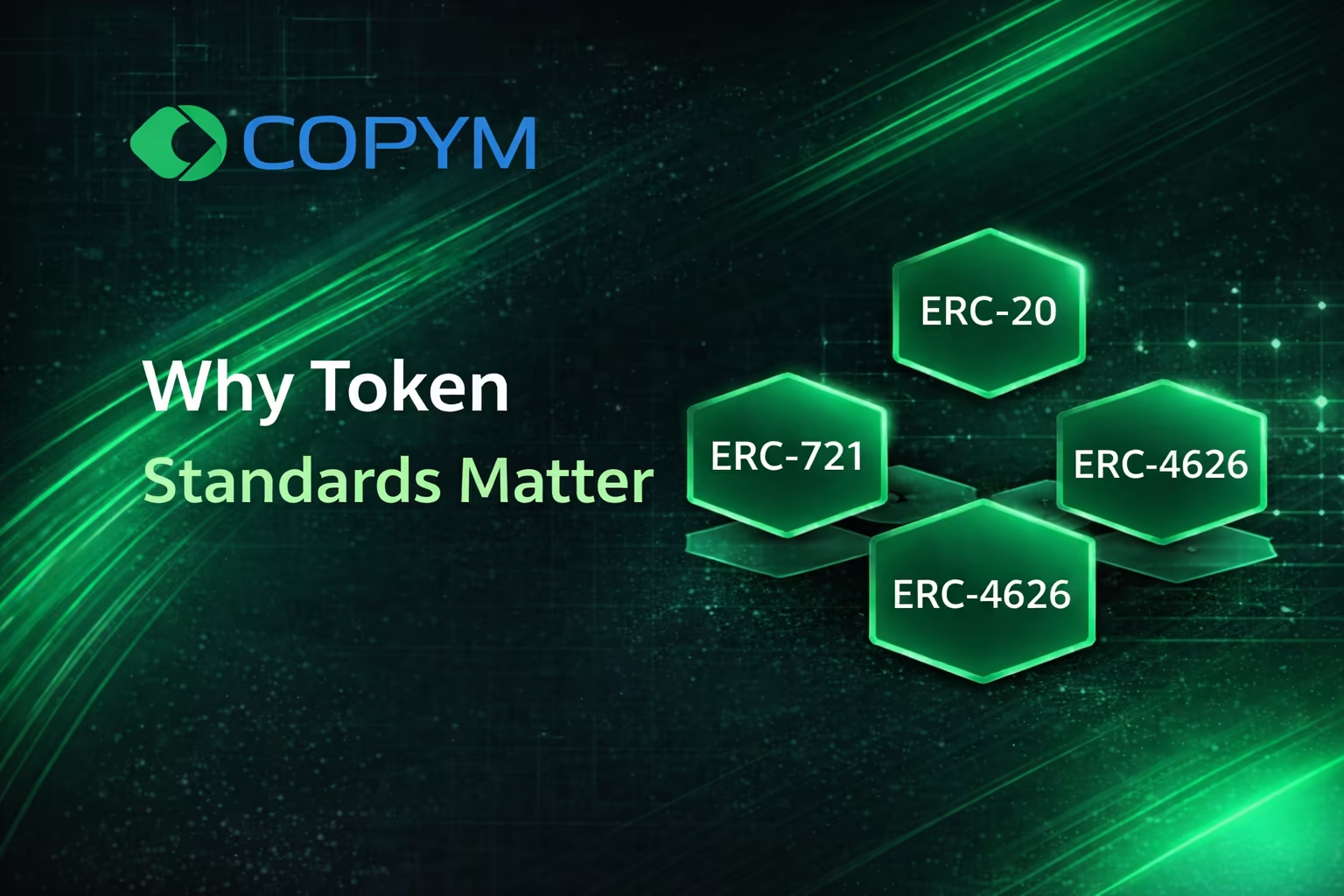
Token standards are the building blocks of the digital asset ecosystem. They define how tokens function, how they interact with wallets and exchanges, and what rights they confer to holders. Understanding these standards is essential for anyone involved in tokenization.
Over 500,000 ERC-20 tokens have been deployed on Ethereum alone, making it the most widely adopted token standard in history.
ERC-20: Fungible Tokens
ERC-20 is the most common token standard on Ethereum. It defines fungible tokens—tokens that are identical and interchangeable. ERC-20 tokens are ideal for currencies, utility tokens, and securities where each share is identical.
"Token standards are the common language of digital assets — without them, interoperability would be impossible."
ERC-721: Non-Fungible Tokens (NFTs)
ERC-721 defines non-fungible tokens, where each token is unique. NFTs are used for digital art, collectibles, and real estate where each asset has distinct properties.
ERC-1155: Multi-Token Standard
ERC-1155 allows a single contract to manage multiple token types, both fungible and non-fungible. This efficiency reduces gas costs and simplifies portfolio management.
Migrating tokens between standards after deployment is complex and costly. Select the right standard during the design phase to avoid expensive restructuring later.
ERC-4626: Tokenized Vaults
ERC-4626 standardizes tokenized vaults that represent shares in a pool of assets. This standard is gaining traction for yield-bearing tokens and fund structures.
| Standard | Token Type | Best Use Case |
|---|---|---|
| ERC-20 | Fungible | Currencies, securities, utilities |
| ERC-721 | Non-Fungible | Real estate, art, collectibles |
| ERC-1155 | Multi-Token | Gaming, mixed portfolios |
| ERC-4626 | Tokenized Vault | Yield-bearing pools, funds |
Security Token Standards
Security tokens often use specialized standards like ERC-1400 or ERC-3643 that include compliance features such as investor verification and transfer restrictions.
CopyM's Approach
CopyM supports multiple token standards to accommodate different asset types and regulatory requirements. Our platform automatically selects the appropriate standard based on your asset characteristics.
Tokenize with the Right Standard
CopyM helps you choose and deploy the optimal token standard for your asset type and compliance needs.
Get StartedYou May Also Like
Subscribe to Newsletter
Get latest updates & insights